·Deficiency responses to address TRA or E/L testing issues
ISO 14971 Risk-benefit, risk control (e.g., MDR CMR)
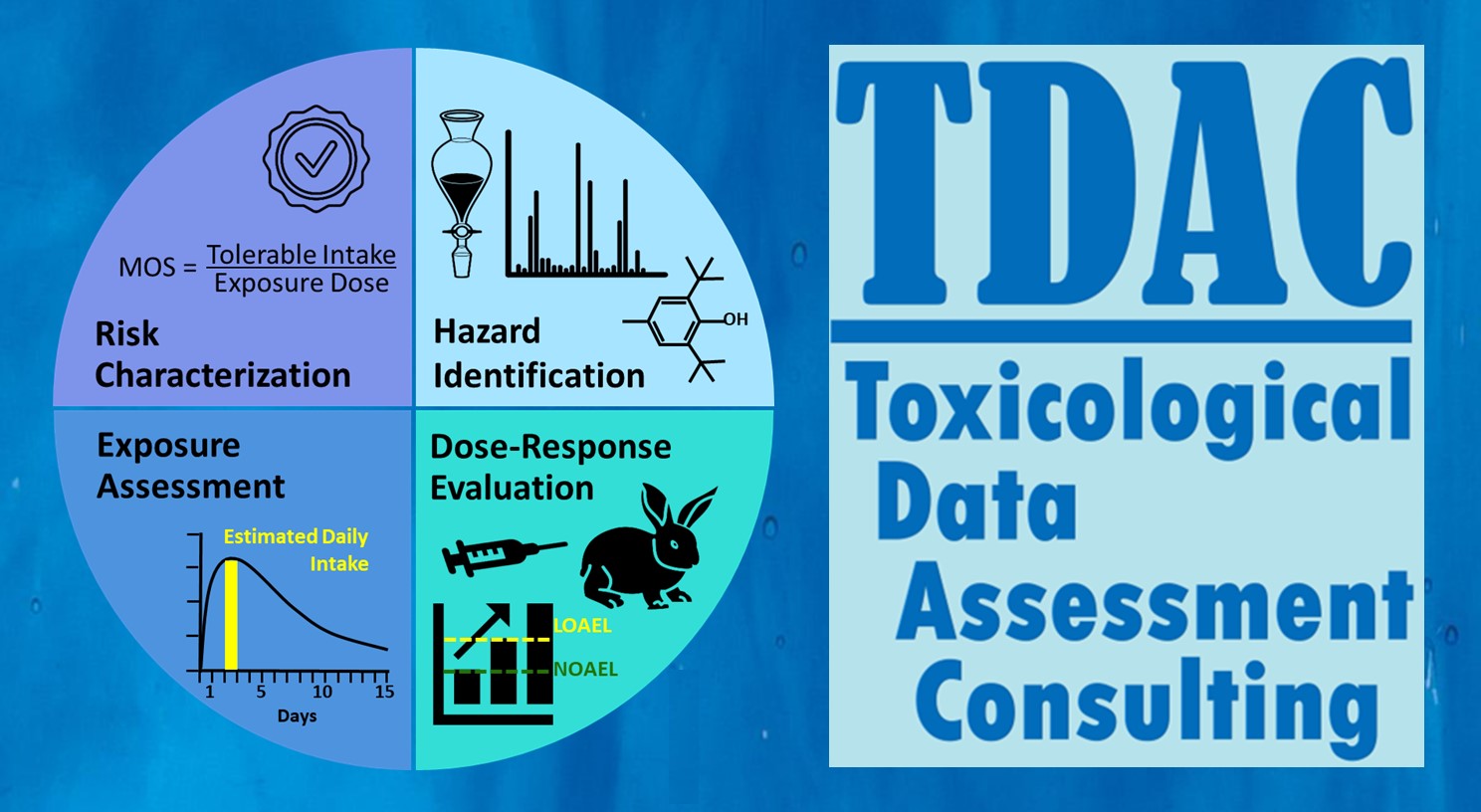
TDAC has a consistent record of resolving regulatory deficiency comments on toxicological risk assessments to satisfy the concerns raised by FDA, EU notified bodies, and Japan PMDA. TDAC is able to defend the conservative nature of exposure assumptions and uncertainty factors used in the toxicological risk assessment, so as to assure regulators of a high level of confidence in the overall conclusions of product safety. Upon request, TDAC can work closely with CROs to collect and evaluate supporting data for precision, accuracy, and reliability of laboratory analytical methods, which can facilitate successful resolution of any regulatory concerns regarding analytical data quality.
TDAC has performed gap analysis of legacy biological test reports on products that have been already approved in one regulatory market, which can be leveraged for submission and approval in new regulatory markets without further testing.
TDAC has developed efficient regulatory submission strategies for medical device product portfolios which limit the scope of required testing to representative devices grouped by material composition, manufacturing process, and ISO 10993-1 tissue contact category.
TDAC has applied risk-benefit rationale as outlined in ISO 14971 using a risk management strategy which balances residual risks against life-saving or critical to quality-of-life benefits arising from use of a medical device. In addition, TDAC has followed SCHEER guidelines to perform risk-benefit determinations under EU MDR for medical devices that contain restricted substances classified under EU regulations for Carcinogenic, Mutagenic, or Reproductive/developmental toxicity (CMR).
TDAC has engaged in pre-submission meetings with regulatory agencies on several occasions, obtaining valuable feedback which helped guide development of a successful testing strategy for complex products subject to pharmaceutical and medical device regulations (i.e., combination products).